
Most property buyers enter a project for one of two reasons: to use the property after completion or to earn rental income from it.
Forward purchase follows a different approach.
Instead of waiting for a project to be completed, investors participate at an early stage, when selected units may be available at more attractive prices. The investment is held during part of the development period, with a proposed exit planned before or around completion, depending on the terms of the opportunity.
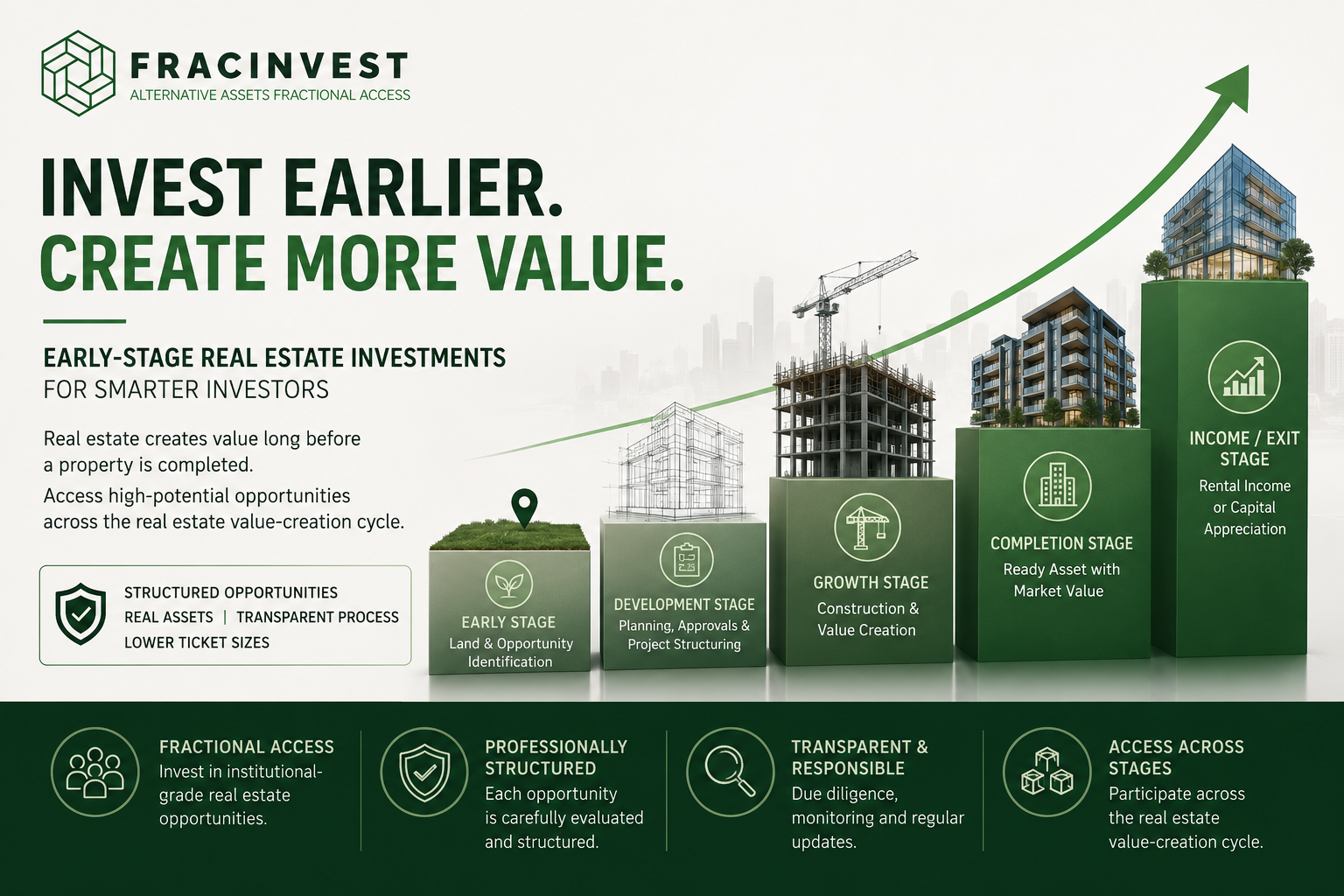
This allows investors to participate in the potential value creation that takes place as a project moves from launch to an advanced stage of construction, without necessarily owning the property for the long term.
What Is Forward Purchase in Real Estate?
A forward purchase is an arrangement in which identified real estate inventory is acquired at an early stage of a project on commercially agreed terms.
The agreement generally defines:
- The selected property or units
- The entry price
- The payment schedule
- The expected investment tenure
- Investor rights and obligations
- The proposed exit route
- The parties responsible for completing the exit
In many cases, the investment is made at or shortly after the launch of a new project. Investors enter before the project reaches its later construction stages and seek to exit after the property has achieved certain development or sales milestones.
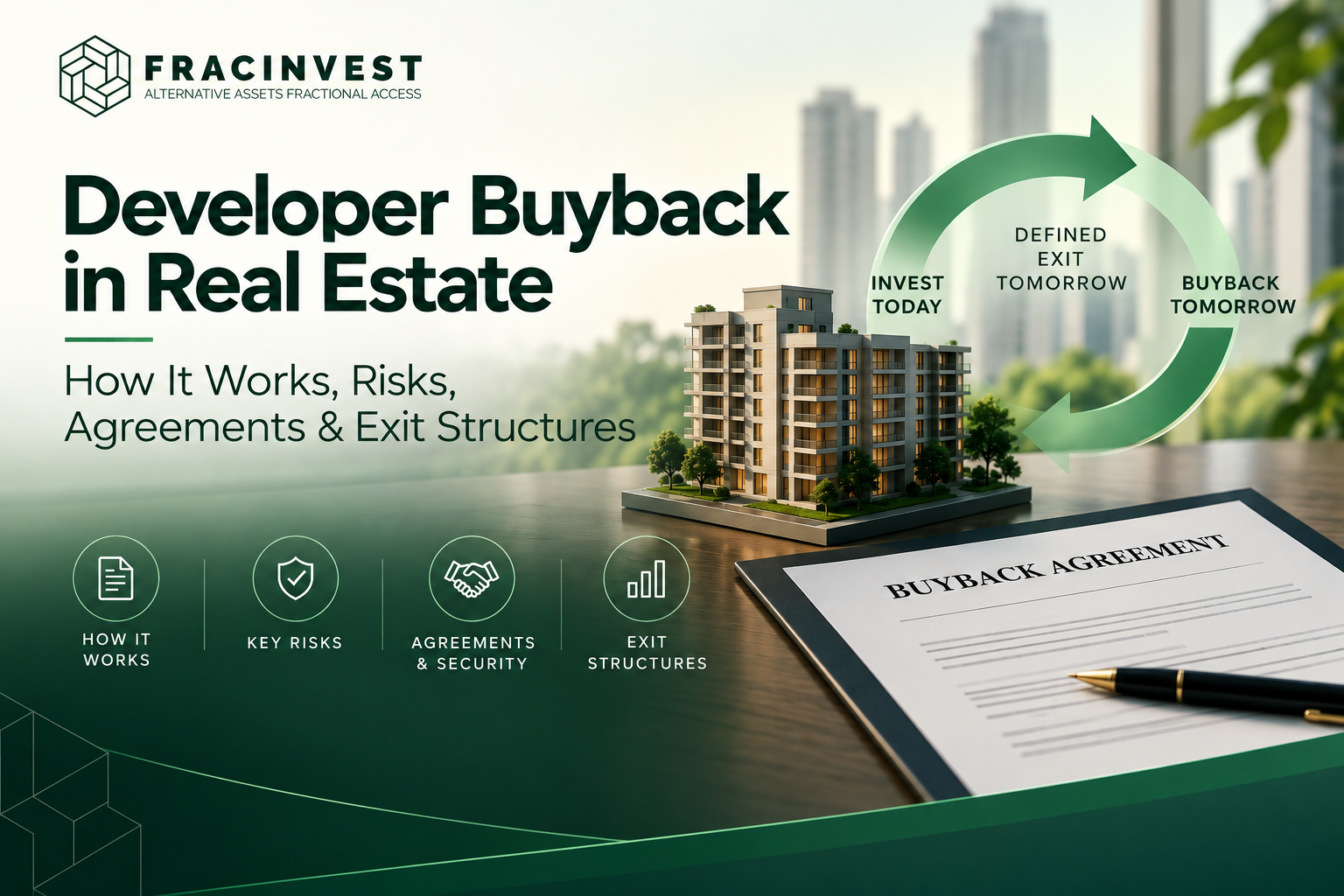
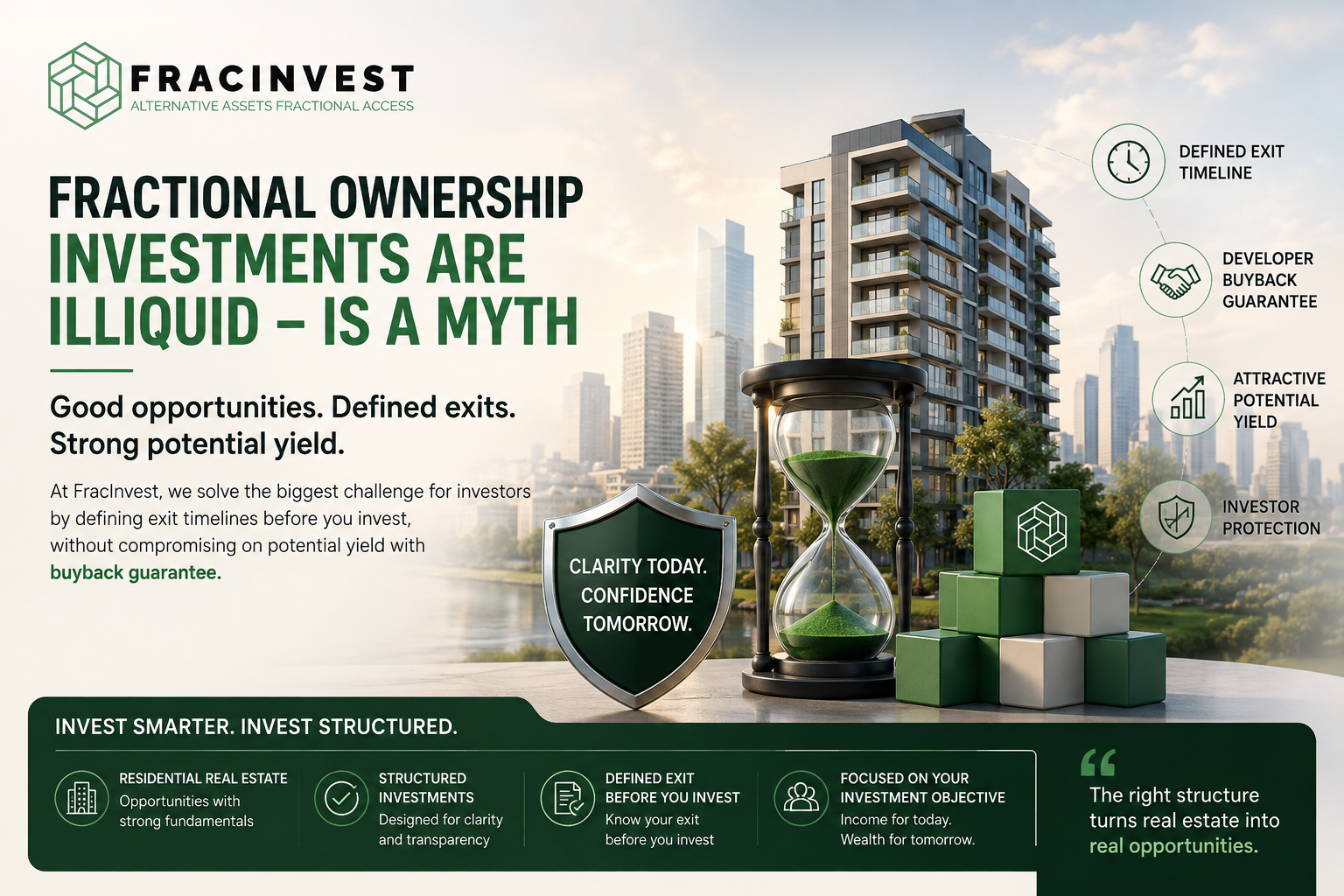
A proposed exit may take place through a developer buyback, sale to another buyer, transfer of contractual rights, or another mechanism described in the opportunity documents.
Forward purchase should not be confused with simply booking an under-construction home. A forward purchase opportunity is usually evaluated as an investment transaction, with particular attention given to the entry price, holding period, return assumptions and exit terms.
Why Can Entering Early Be Beneficial?
Real estate prices do not always move evenly throughout the life of a project. A newly launched project may offer better commercial terms because the developer is looking to generate early sales momentum and improve cash flow.
As construction progresses, approvals are completed, infrastructure develops and more units are sold, the perceived risk surrounding the project may reduce. This can lead to higher prices for later buyers.
Early-stage investors may therefore benefit from the difference between the negotiated entry price and the value of the property at the time of exit.
1. Access to Launch-Stage Pricing
Developers may offer attractive prices or commercial terms during the early stages of a project. A forward purchase structure can allow investors to participate at this stage instead of entering after much of the potential appreciation has already occurred.
However, a lower entry price should always be compared with relevant market benchmarks. A discount is useful only when the underlying project, location, developer and exit assumptions are sound.
2. Potential to Benefit from Project Progress
A real estate project can gain value as it moves through different stages, such as launch, foundation work, structural construction and nearing completion.
Investors who enter early may benefit if the project achieves its milestones and market prices increase during the investment period.
This potential return is based primarily on capital appreciation or the commercial terms agreed at entry. It does not depend on waiting for possession and finding a tenant.
3. Exit Without Becoming a Long-Term Landlord
Traditional property investment often involves registration, possession, interiors, tenant management, maintenance and eventually finding a buyer.
A forward purchase opportunity may be structured with an intended exit before project completion or possession. This can make it suitable for investors who want exposure to real estate appreciation but do not want the responsibilities associated with owning and managing a completed property.
The actual exit remains subject to the contract, market conditions and the ability of the responsible party to fulfil its obligations.
4. A Defined Investment Period
Forward purchase opportunities are generally designed around an expected holding period. This could be 18 months, 24 months or another tenure specified in the documents.
A stated tenure helps investors understand when the proposed exit is expected. It also makes it easier to compare the opportunity with other investments.
A defined tenure, however, is not the same as guaranteed liquidity. Investors must review what happens if construction or the proposed exit is delayed.
Why Were Such Opportunities Traditionally Limited?
Attractive early-stage real estate transactions frequently involve multiple units or a large block of inventory. This can require several crores of capital, placing the opportunity beyond the reach of most individual investors.
Access may also depend on developer relationships, negotiation ability, legal expertise and the capacity to evaluate an under-construction project.
As a result, these transactions have traditionally been more accessible to institutional investors, family offices and high-net-worth individuals.
This is where fractional participation can make a meaningful difference.
How FracInvest Makes Forward Purchase Opportunities More Accessible
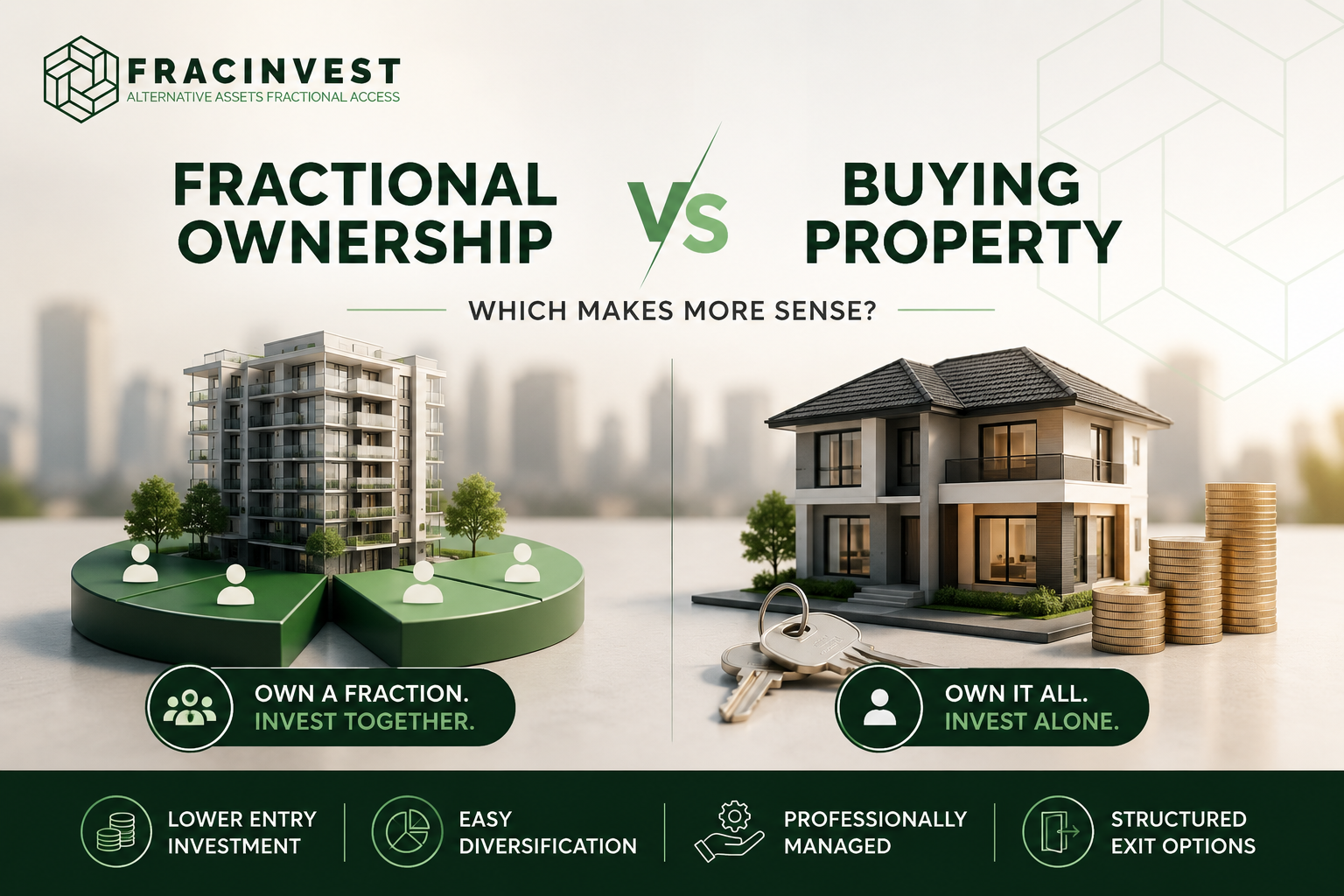
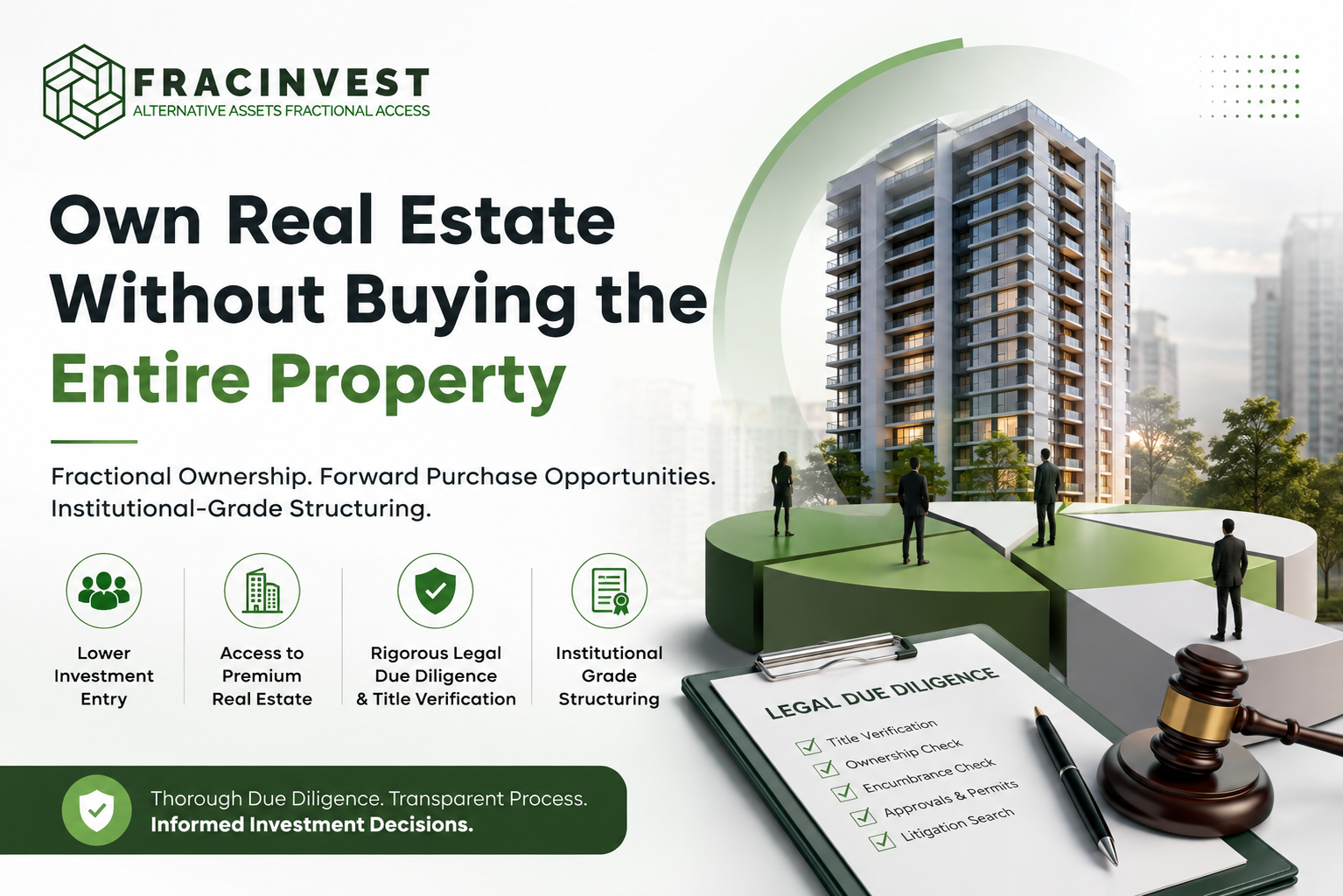
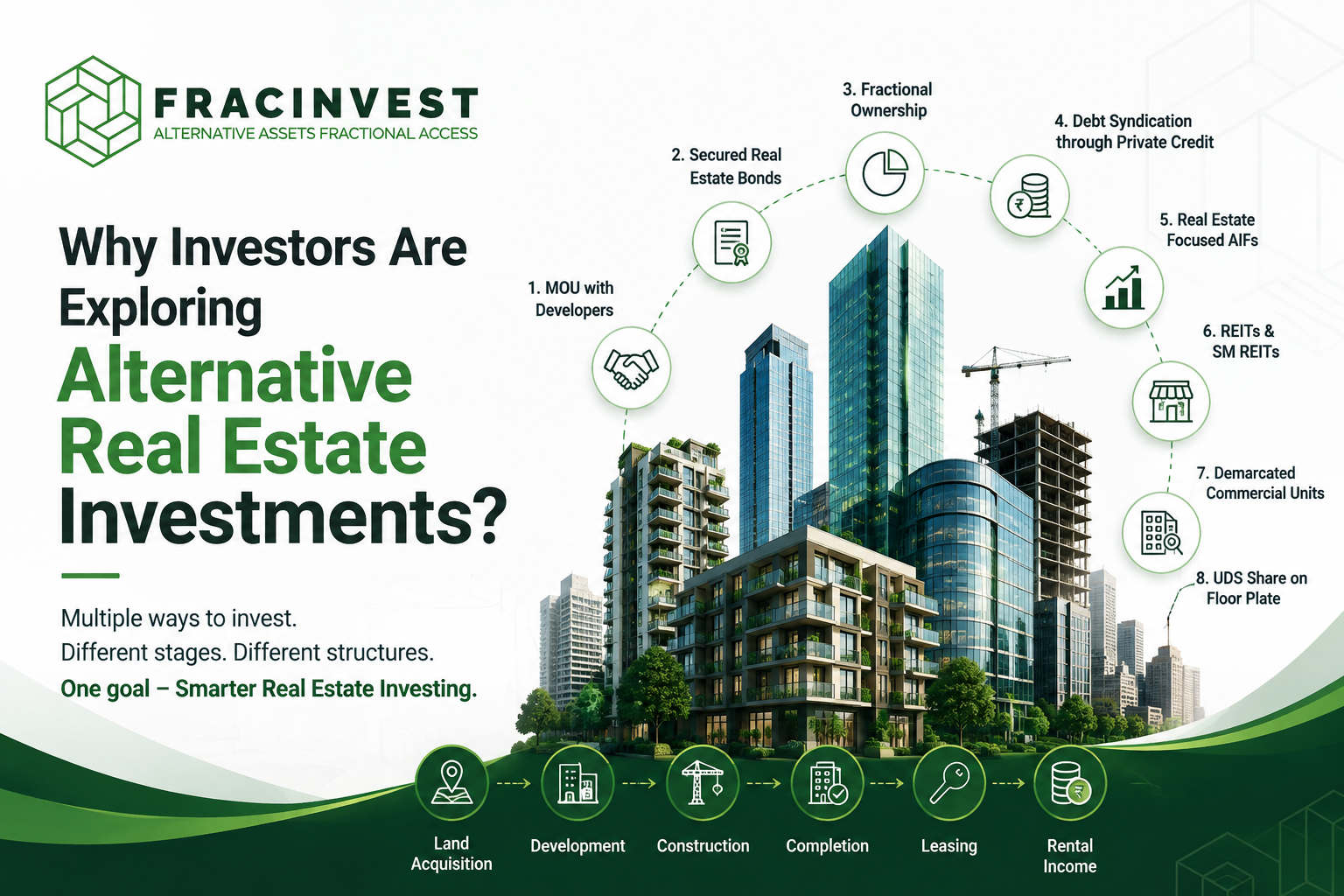
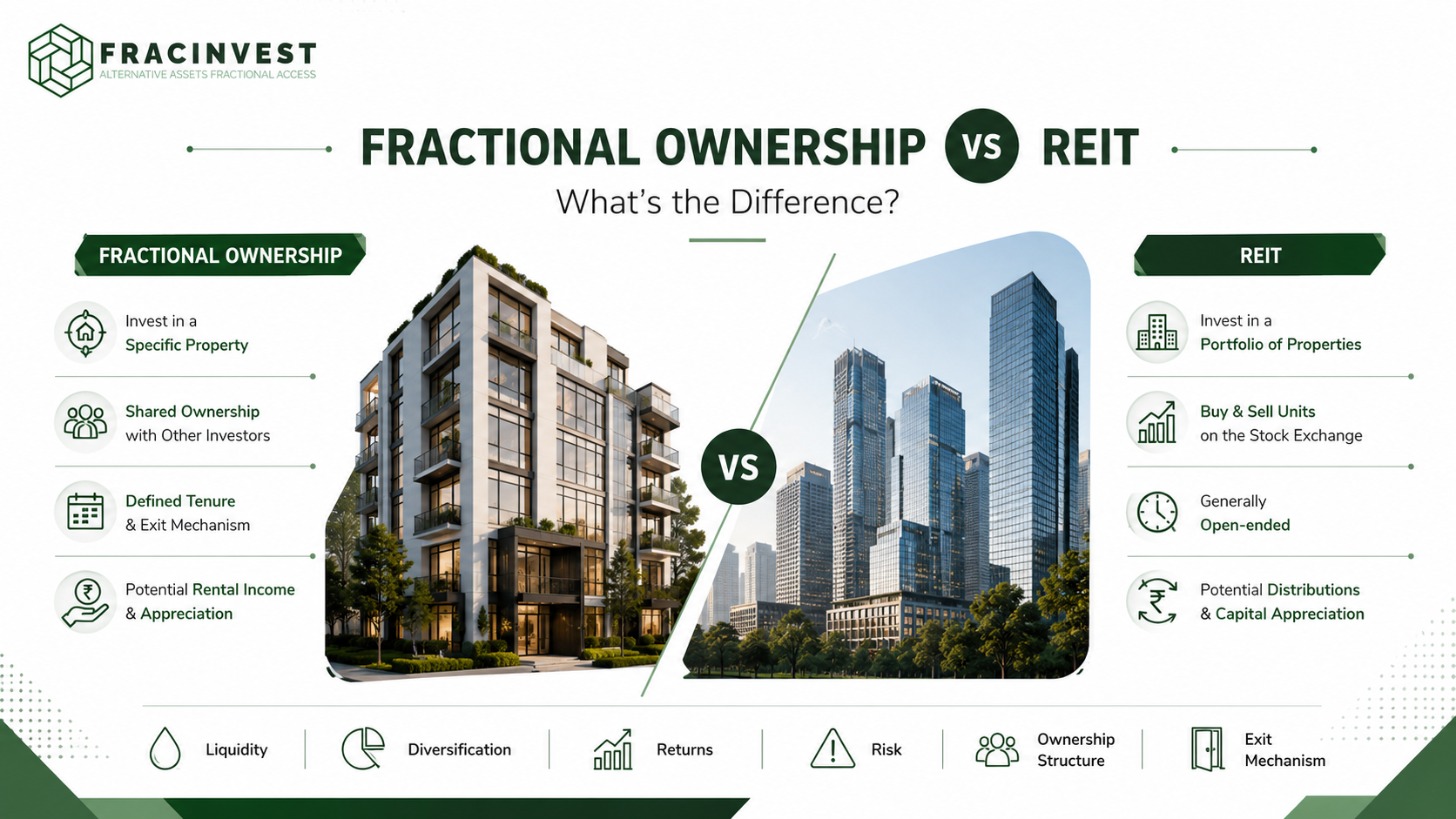
FracInvest identifies selected real estate opportunities and structures them so that eligible individual investors can participate without purchasing an entire property or inventory block.
Investors participate through a dedicated special purpose vehicle connected to a specific opportunity. The minimum participation amount, holding structure, projected return, risks and proposed exit are disclosed in the relevant opportunity documents.
Here is how the process generally works:
Step 1: Identifying Selected Inventory
FracInvest evaluates newly launched projects and identifies specific units or inventory that may offer an attractive entry point.
The review considers factors such as location, project positioning, available approvals, developer background, market pricing and expected demand.
Step 2: Negotiating and Structuring the Entry
Instead of each investor approaching the developer individually, the opportunity is structured at an aggregated level.
The entry price, payment terms, investment tenure, investor rights and proposed exit mechanism are documented before investors participate.
Step 3: Fractional Participation Through an SPV
Multiple investors participate through a dedicated investment vehicle linked to the identified real estate opportunity.
This reduces the capital required from each investor while providing exposure to a transaction that may otherwise require the purchase of an entire property or a larger inventory block.
Fractional participation does not remove investment risk. Each investor should understand the legal structure and the specific rights attached to the SPV before investing.
Step 4: Monitoring the Project
During the investment period, the project's construction progress, relevant milestones and proposed exit terms are monitored.
Investors can review the project information and documentation made available for the specific opportunity.
Step 5: Pursuing the Documented Exit
At the end of the proposed tenure, the exit may take place through a contractual developer buyback, sale of the property, transfer to another buyer or another route stated in the documents.
FracInvest describes these as planned exit routes because even a contractually documented exit is subject to counterparty performance, legal terms and other risks.
You can learn more about the structure on the FracInvest Forward Purchase Opportunities page.
What Should Investors Check Before Participating?
An attractive projected return should never be the only reason to invest. Before participating in a forward purchase opportunity, investors should examine:
- Whether the project is registered with RERA, where applicable
- The title and encumbrance information available for the property
- The developer's delivery history and financial capacity
- The negotiated entry price compared with similar projects
- The construction and payment schedule
- The legal ownership or investment structure
- The expected tenure and return assumptions
- The proposed exit mechanism
- The financial capacity of the buyback or exit counter-party
- The consequences of project or exit delays
- Applicable fees and taxes
Under RERA, agreements for sale contain important provisions relating to payment milestones, possession, delays, cancellation and the obligations of both promoters and allottees. Investors should review the registered agreement and project documents carefully. The Government's model agreement for sale provides useful context on these rights and obligations.
What Are the Risks?
Forward purchase opportunities can provide attractive return potential, but they are not fixed-income or guaranteed-return products.
Important risks include:
- Construction or approval delays
- Changes in property prices
- Developer or counter-party default
- Difficulty completing the proposed exit